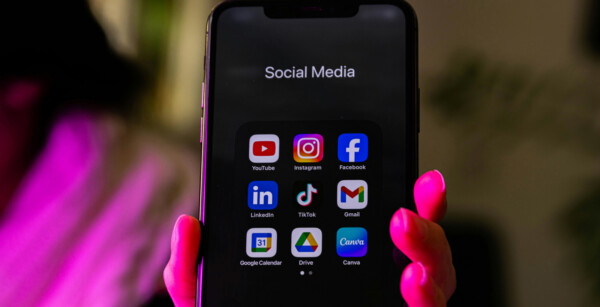
If you’re reading this post, chances are you are on some sort of smart device, whether it be a smartphone, a laptop or a tablet. In fact, 85% of all Americans own a smartphone, an astonishing number considering only 35% owned a smartphone in 2011. It’s no surprise that technology is at the forefront of our daily lives, so it is important for brands to understand how consumers utilize it when marketing toward them. In today’s blog, we are going to discuss how affluent consumers utilize technology, as well as their fears surrounding it and the growing trend toward “unplugging.”
Key Backers of Smart Technology
Two out of three affluent consumers say that having the latest technological products is very important to them, as this makes them appear successful among their peers. This ties back to our previous blog post regarding the lifestyle of the affluent consumer, which you can access here. These consumers can be described as insecure and anxious without their mobile device, highlighting just how central technology is in their lives.
Affluent consumers are key backers of smart technology. According to the GlobalWebIndex, the affluent consumer is considerably more likely than the average person to own a range of smart devices, including smartwatches, smart home products and smart TVs. They are using these smart products as convenient ways to buy luxury products without having to physically visit a retail store. It is crucial that brands make their content easily navigable on each type of smart device as we see the affluent consumer shift away from shopping solely on a traditional desktop.
The Emergence of Voice Commerce
We also see that voice commerce is becoming more prevalent in the purchasing behavior of the affluent consumer. These consumers expect their brand experiences to be instant and effortless, which is what can be provided through voice-controlled devices. Approximately 66% own a smart speaker like a Google Home or Amazon Echo, 48% own a smart security product like a remotely controlled doorbell, and 47% own a smart utility product. However, with these products come security concerns, and affluent consumers are becoming increasingly aware of protecting their privacy.
Privacy Concerns
With the recent surge in smart technology, it’s no wonder that data breaches and online theft are becoming increasingly common. This has created a general unease among affluent consumers, especially those who keep their credit card information stored in their browser window and manage their bank account online. According to the GWI, just over three in five affluent consumers are concerned about the internet eroding their privacy and close to seven in ten worry about how their personal data is being used by companies. Because of these concerns, many affluents have resorted to using a private browsing window as well as utilizing ad-blockers to avoid repetitive, unnecessary ads.
The Trend Toward “Unplugging”
Yes, affluent consumers are key backers of smart technology and use it in their daily lives, but we are starting to see a trend toward “unplugging.” More than 40% of high-income consumers globally have removed social media apps from their phones and have reduced their amount of TV viewing. These same consumers, who have been spending their income on luxury products for a long time, are shifting toward spending money on experiences, rather than products. For some, luxury doesn’t hold the excitement it once had.
Here at The Brandon Agency, we specialize in targeting the affluent consumers and are constantly finding new ways to keep up with and understand their behavior. In our next blog post in this series, we will discuss how affluent consumers consume media. Contact us today if you need help reaching these consumers or are interested in any further insights into them.
By subscribing to our newsletter, you agree to our Privacy Policy.