AI can put a character in a glass house overlooking the Pacific, change the weather, swap their wardrobe and turn afternoon into golden hour without booking a flight or rolling a camera. The technology has removed some of the physical steps involved in commercial production, but many of the creative and production decisions behind a successful spot remain.
Producers are increasingly making those decisions from behind a computer instead of on scouts, casting calls, fittings and prep days. They still have to determine whether the talent feels right, the world is believable and every shot works as part of the same story. AI changes where and how that work happens, making experienced production thinking an important part of the process.
What Does a Producer Do in AI Commercial Production?
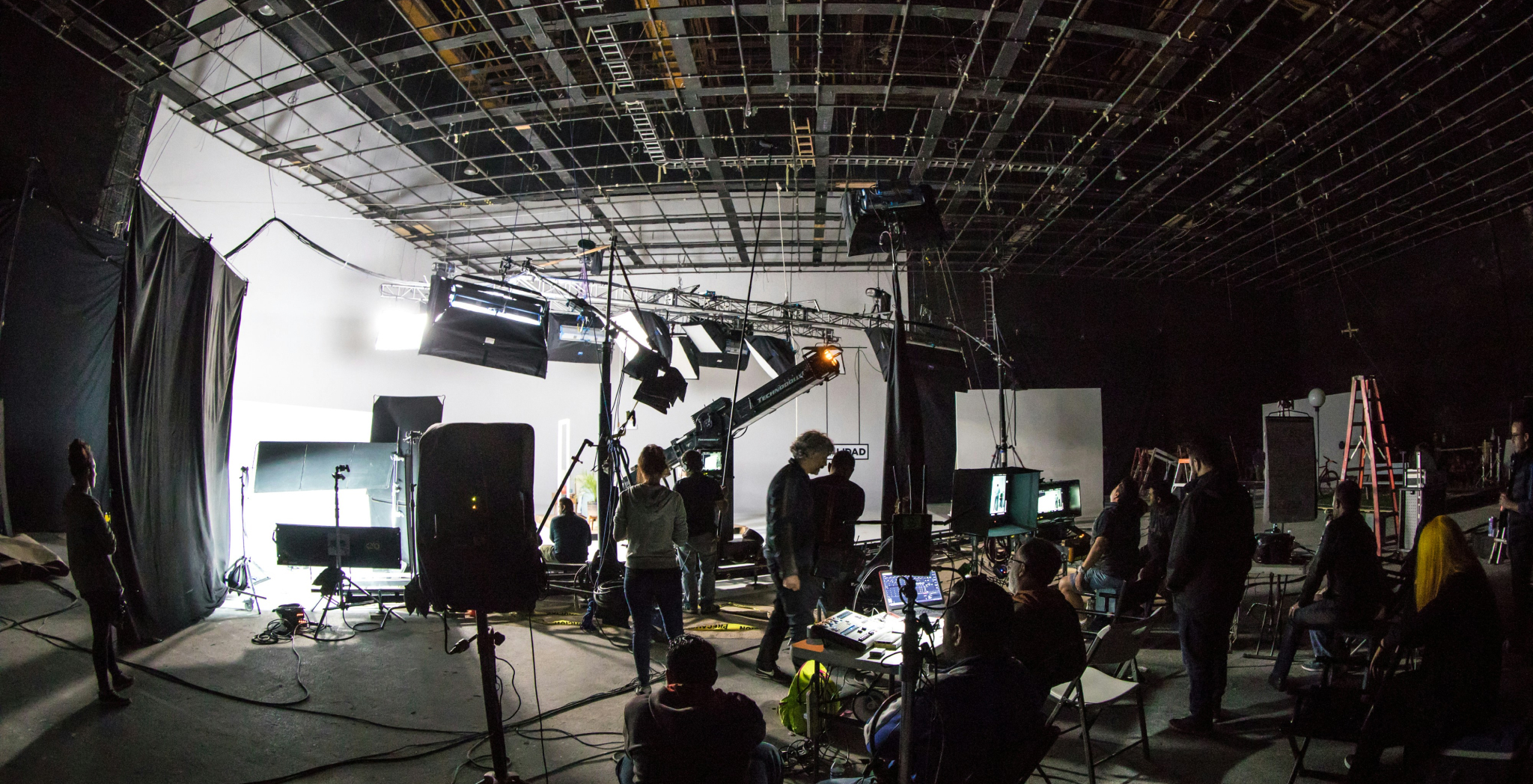
A Producer turns a creative idea into something that can actually be made. On a traditional commercial, that can involve coordinating casting, locations, wardrobe, production design, crews, schedules, budgets, approvals and post-production. AI production changes how some of those responsibilities are handled while leaving many of the decisions intact.
Who are we looking at? Where are they? What are they wearing? How should the light behave? Where is the camera? Which details need to remain consistent throughout the story? Generating an impressive image has become remarkably accessible. Building an entire commercial in which the characters, environments and creative choices remain believable requires a much more deliberate process.
How Does AI Casting Compare With Traditional Casting?
Traditional casting begins with a specification. Teams consider age, appearance, chemistry, performance and brand fit, often reviewing hundreds of submissions before callbacks and final selections.
In an AI production, many of those decisions happen through prompts, references and generated options. The team may refine facial characteristics, body type, expression or wardrobe across multiple iterations. Once the character is chosen, the production team has to make sure that choice holds throughout the commercial.
Character Consistency Becomes Part of Casting
A character who looks perfect in one frame may develop different facial features, proportions or hair when placed in another environment. The team has to determine whether the character can remain recognizable under different lighting, camera angles and actions.
Rights also factor into casting decisions. SAG-AFTRA’s AI framework and Commercials Contracts address areas including consent and the use of digital replicas. AI-generated and replicated talent therefore requires careful consideration of how a character or likeness can be used.
What Does Location Scouting Look Like With AI?
A traditional location scout evaluates the creative potential of a space alongside practical considerations such as lighting, camera access, permissions and crew logistics. AI can remove many of those physical constraints, but the production team still has to design a believable world and maintain it from shot to shot.
Generated Locations Still Need Rules
Consider a commercial set inside a modern coastal home. The team needs to define its materials, architecture, lighting and surrounding environment. Once established, those decisions need to remain consistent when the camera changes position.
The production challenge becomes one of world-building and continuity. A kitchen window cannot suddenly move, and a room should not change dimensions as the character walks through it. Clear visual references and approvals help keep that AI-generated world consistent.
Do Production Design, Props and Wardrobe Still Matter?
Production design remains a major part of AI commercial production because generated environments contain the same visual details audiences expect from physical sets. In a kitchen scene, someone needs to decide what belongs on the counter, what appears on the walls and which objects the character interacts with. If an important prop returns later, its appearance needs to remain recognizable.
Wardrobe requires similar attention. Color, fit, fabric and branding can influence the character and the broader visual identity of the spot. Small inconsistencies become much easier to notice once individual generations are assembled into an edit.
How Are AI Tools Used in Commercial Production?
Commercial AI workflows often involve several tools because different platforms have different strengths. Image-generation tools may help develop characters, locations and keyframes. Video platforms can turn those references into motion, while compositing and VFX tools can address artifacts or combine generated and traditionally produced elements.
Much of the familiar post-production process remains. Editing, sound design, music, graphics and color help transform generated material into a finished commercial. As platforms continue to evolve, production teams need to understand which tool is appropriate for a particular shot and when another technique will produce a stronger result.
Is AI Commercial Production Cheaper?
AI production can reduce costs when a concept would otherwise require extensive travel, expensive locations, large physical builds or specialized equipment. The budget still needs to account for the people and processes required to produce the work, including AI specialists, software and generation costs, creative development and post-production.
Iteration Can Make Costs Less Predictable
Traditional Producers can usually estimate many physical production costs before a shoot begins. AI introduces more variability because a successful shot might arrive quickly or require dozens of generations.
Late changes can also create significant downstream work. Changing an approved character, wardrobe choice or location after multiple shots have been produced may require much of that material to be regenerated. Clear scope and approval points help keep iteration manageable.
What Does an AI Commercial Production Workflow Look Like?
A structured AI production workflow gives the team a visual system to work from before significant time and budget are committed to finished shots.
Establish the Creative World First
The process begins with the concept, audience and visual direction. From there, the team can establish characters, locations, wardrobe and production design so there are clear references for the world being created.
Storyboards or keyframes can prove that system before individual shots move into motion. They also create useful approval points for clients. Locking major creative decisions early reduces the risk that a late change will require extensive regeneration.
Build Post-Production Into the Workflow
Once the visual system is approved, shots can move into production against those references while continuity is actively tracked. Editing, VFX, graphics, sound, music and color then bring the material together.
Rights and usage should be considered throughout the workflow, particularly as the U.S. Copyright Office continues to examine digital replicas and the copyrightability of works created with generative AI.
When Is AI Commercial Production the Right Choice?
Brands should evaluate which production approach gives the creative idea its strongest execution. AI-led production can work particularly well for imaginative environments, rapid visual exploration and concepts that would be unusually difficult or expensive to create physically.
Traditional production may be stronger when performance, documentary authenticity or real human interaction carries the idea. Hybrid production offers another path by combining live action with generated environments, visual effects or other AI-assisted elements. An experienced Producer can help evaluate those approaches based on the creative concept and practical demands of the project.
What Should Brands Consider Before Choosing AI Production?
Generated talent still requires casting decisions and consistency. Digital locations require world-building and continuity. Wardrobe and props need styling and detail management. Some physical production expenses may decrease, while iteration, specialized talent and post-production create different budget considerations.
The Producer connects those decisions across the project. As AI gives creative teams new ways to build characters and visual worlds, production expertise helps make sure those individual elements work together as a coherent commercial.
Ready to Explore AI for Your Next Commercial?
At Brandon, we bring strategy, creative development and commercial production expertise together to determine the right way to make an idea. Depending on the concept, that could mean traditional production, AI production or a combination of both.
Have an Idea You’re Curious About?
Let’s talk about what it could become. Our team can evaluate the creative and production needs, identify the right approach and build a process designed to bring the idea to life.
By subscribing to our newsletter, you agree to our Privacy Policy.