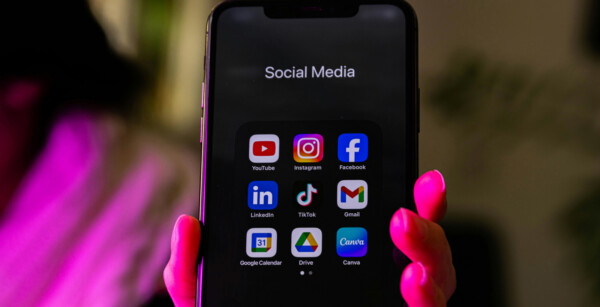
For many people, it’s been a while since they last stepped inside a bank branch. With mobile banking, checks can be deposited from home, money can move between accounts in seconds, and everyday transactions can happen without ever leaving the couch.
Still, convenience is only part of the picture. When people choose where to keep their money, or who to call about a mortgage, the relationship behind the app carries a lot of weight. For banks or financial brands planning their 2027 marketing, that mix of digital ease and personal connection opens up some interesting opportunities. This is especially true for community banks, where local relationships are often what sets them apart.
Below are six ideas worth considering:
1. Use Brand Storytelling to Differentiate Your Bank
Most banks offer a similar lineup of checking, savings, mortgages, mobile banking and business loans. Those products matter, but they don’t always give a customer a reason to pick one bank over another. What tends to stick is a sense of what it’s like to bank there.
That was the thinking behind “The Small Things Make a Big Difference,” a campaign we developed for Arthur State Bank. Instead of leading with rates or features, the creative focused on moments community bank customers would recognize, like a banker who remembers your family or someone who takes the time to sort out a concern in person. They may be small, but they say a lot about the kind of service a bank provides.
Most banks don’t have to invent these stories. They’re already happening at the teller line, in loan offices and at community events. One way to start is to ask employees and longtime customers what they’d tell a friend about the bank, then look for the themes that keep coming up.
2. Market Digital Tools Around Real Customer Needs
Mobile apps were the most frequently used banking method among respondents, followed by online banking (American Bankers Association). That probably won’t surprise anyone who has deposited a check from a parking lot.
Listing app features only goes so far, though. Digital tools tend to resonate more when marketing ties them to a real situation, like depositing a paycheck between soccer practice and dinner or checking a balance before a big purchase. It’s a small shift in framing, and it can make technology feel a lot more personal.
It also helps keep the brand consistent. If a bank’s promise is personal service, that same warmth can carry into its app messaging, website and product emails. For bigger decisions, like a first mortgage or a business loan, many customers will still want to talk to a person, so making it easy to go from the app to a real conversation is worth highlighting.
3. Create an Integrated Marketing Campaign
Some customers research everything online. Others still read the local paper, watch the evening news or stop by a branch. Most do a little of each.
An integrated campaign might include paid social, digital video, TV, print and direct mail. Each channel plays a different role, and the right mix depends on the audience, the goals and the budget. For a mortgage campaign, that might mean using paid search to reach active borrowers, social and video to introduce local lenders, and email to stay connected with prospects who aren’t ready to apply.
A consistent creative message ties it all together, so people recognize the bank whether they see it on their phone or in their mailbox. When each of those touchpoints feels like the same bank, the path from “I’ve heard of them” to “Let’s talk” gets a lot smoother.
4. Use SEO and Educational Content to Build Trust
People search for financial answers all the time. How does mortgage preapproval work? What’s the difference between a money market account and a savings account? What do lenders look for in a small business loan application?
Educational content gives banks a chance to answer those questions clearly and build some trust along the way. Start with the questions bankers hear most often, then develop helpful articles, FAQs and videos around those topics. A mortgage guide, for example, might explain preapproval requirements, outline the application process and point readers toward a local loan officer for personalized guidance.
For search visibility, focus on clear answers, descriptive headings and accurate information that reflects the bank’s actual products and services. Having knowledgeable banking professionals review content can also help establish credibility, particularly when explaining financial decisions. These practices support traditional SEO while making information easier for AI-powered search tools to interpret and reference.
5. Humanize Your Bank’s Social Media Marketing
Social media is one of the few places where a bank can sound like the people who work there. Product announcements and financial tips still have a place, but posts featuring employees, local events and community partners help audiences get to know the people behind the logo.
Short videos work well here. A loan officer could explain a common term in 30 seconds, a branch team could share a day of volunteering, or someone could post a quick tip ahead of tax season. Keeping the tone and visual style consistent helps each post feel like part of the larger brand.
There’s no single right content mix. Some audiences engage most with practical guidance, while others respond to local stories. Watching which posts get comments, shares and saves over a few months usually tells you more than any single post can.
6. Measure Performance Beyond Clicks
Clicks, views and engagement are useful signals, but they don’t tell the whole story. Account inquiries and qualified leads get closer to what most banks care about.
Looking at results across the full customer journey can show where a campaign is doing its best work. For Arthur State Bank, that meant tracking more than traffic. Alongside a 55% increase in website users, the bank saw mortgage leads grow 32% and trust advisor leads rise 300%. Those results span different stages of the customer journey, from getting noticed to starting a conversation. The right metrics will depend on each bank’s goals.
A bank focused on deposit growth might watch account inquiries most closely, while one expanding its mortgage business might focus on qualified leads and conversion rates. Settling on those priorities before a campaign launches makes the results much easier to read afterward.
Where To Start in 2027
Every bank’s priorities look a little different. A community bank focused on deepening local relationships might lean into storytelling and social. A bank entering new markets might put more weight on search visibility and digital acquisition. Most will land somewhere in between.
Whatever the mix, customers still value the same things they always have: convenience, reliability and people who pay attention. Marketing that shows those qualities in moments customers recognize from their own lives is a good place to begin.
Want to talk through what that could look like for your bank? Our financial marketing team would be glad to help.
By subscribing to our newsletter, you agree to our Privacy Policy.