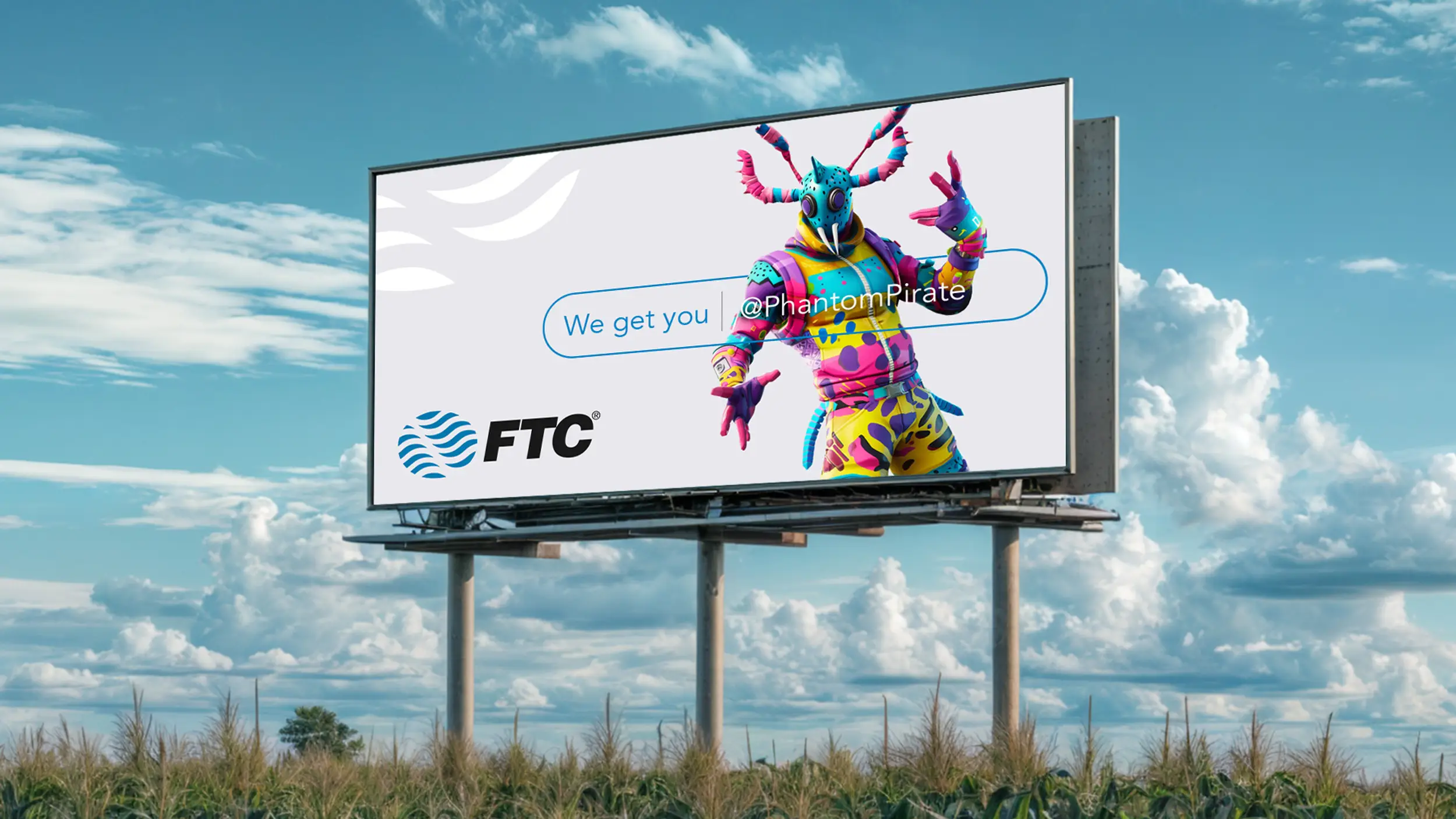
For decades, telecom marketing has followed a familiar playbook:
- Faster speeds.
- Better coverage.
- More fiber.
- More 5G.
- More bars.
- More claims.
And for a long time, it worked.
The assumption was simple: build a better network, tell people about it, and growth will follow.
But our latest research* suggests something has changed. Consumers don’t seem to be looking for the fastest provider anymore. They’re looking for the most reliable one.
The catch? They define reliability very differently than telecom marketers do.
Telecom Has a Reliability Problem—Not a Speed Problem
When marketers talk about reliability, they typically mean network uptime, coverage, and infrastructure performance.
When consumers talk about reliability, they’re talking about trust. In a recent Brandon study, 83% of non-switchers described their current provider as “reliable,” making it the single strongest driver of loyalty. But when we asked consumers what reliability actually meant, 41% pointed not to network performance, but to financial predictability.
Their definition of a reliable provider was simple: “My bill is what I expect. No surprise charges.”
That insight reveals one of the biggest disconnects in the category. Telecom brands continue to compete on technology while consumers increasingly evaluate providers based on predictability.
In fact, 55% of consumers considering a switch cite rising costs as their primary reason for leaving. Only 13% point to speed. Consumers aren’t leaving because the internet broke. They’re leaving because trust broke.
The Industry Has Trained Consumers Not to Believe It
The telecom industry has spent years making bigger promises. The problem is that consumers have become increasingly skeptical of them. Our research found that more than 75% of consumers either doubt or outright distrust uptime claims like “99.9% reliability.” Even more telling, 65% reported feeling misled by an internet provider at some point.
That’s not a technology problem. That’s a credibility problem.
Meanwhile, marketers continue investing heavily in technical messaging that consumers either don’t understand or don’t value. More than half of respondents had never heard of “symmetrical upload and download speeds,” and another 11% admitted they couldn’t explain what it means. Imagine spending millions promoting a feature that nearly two-thirds of your audience doesn’t understand.
That’s not differentiation. That’s noise.
Consumers Don’t Want a Relationship
Another surprising finding from the research: Consumers don’t actually want to love their internet provider. They want to forget about them. The best internet experience isn’t exciting. It’s uneventful. No outages. No billing surprises. No unexpected fees. No reason to call customer service.
In a category obsessed with innovation, consumers are quietly asking for something much simpler: Stability. The best internet is the internet you never have to think about.
The White Space Is Trust
This creates a significant opportunity for telecom brands willing to think differently. Most providers continue to compete on technological superiority. The real opportunity may be competing on transparency, predictability, and trust.
- Price-for-life guarantees.
- Simple billing.
- Plain-language communication.
- Proactive customer service.
- Fewer asterisks.
- Fewer surprises.
In a world of subscription fatigue, hidden fees, and shrinking trust, reliability has become about much more than network performance. It’s become a brand promise.
Becoming Unstoppable
At Brandon, we believe every category eventually reaches a point where functional advantages narrow.
When that happens, brands have two choices: Compete harder. Or compete differently.
The telecom brands that become unstoppable won’t be the ones making the loudest claims about speed. They’ll be the ones creating the strongest sense of trust. Because consumers don’t buy gigabits. They buy peace of mind. And that’s a lot harder for competitors to replicate than a coverage map.
*Source: Brandon Telecommunications Consumer Survey, 2026.
By subscribing to our newsletter, you agree to our Privacy Policy.