
In advertising, the success of a paid media placement can be measured by click-through rates, and the overall cost of a campaign can be equated to a cost per click. The lower the cost per click — defined by the overall ad dollars spent divided by the number of unique clicks that drive traffic to your website — the more successful the ad is for your client.
When it comes to editorial content, it is no secret that traffic and clicks demonstrate the interests of your readers. However, this science is not commonly known as an approach to measuring the performance of a journalist.
In mid-October, the Sacramento Business Journal reported that The Sacramento Bee — the fifth largest newspaper in California and the 27th largest paper in the U.S. — and its union were fighting back against owner McClatchy’s efforts to base employee performance reviews on the popularity of their stories as measured by clicks. Essentially, McClatchy — which owns The Sacramento Bee and 28 other daily newspapers in 14 states — is aiming to take the science of advertising-performance measurement and apply that to traditional journalism, and The Sacramento Bee is simply not having it.
In a world already bursting with “fake news” claims, paired with clickbait articles that often result in an interested reader clicking through countless pages just to get to the meat of the story, the integrity of reliable journalism is being compromised daily.
So, how does McClatchy’s new approach impact journalism, and how do we as PR professionals continue to be assets to our media friends?
When McClatchy first filed bankruptcy in early 2020, we took a look at its impact on local journalism and PR professionals. We touched on the importance of intentional media relationships, the importance of quality content and relevant pitches, and how we as PR professionals can be an asset to our journo counterparts.
The latest developments in this story present a whole new challenge to PR pros. If McClatchy implements this new approach to performance reviews, we can no longer simply settle for pitching a story on why we THINK it will be of interest to their readers. We have to prove it. If they are being measured scientifically, then we as PR professionals must learn to incorporate the data that backs our claims.
Here, we’ve put together a list of three ways that PR professionals can prove their worth and help secure media coverage that matters to both their client and the journalist.
1. Leverage your SEO insights.
Search engine optimization refers to the process of improving the quality and quantity of a website’s traffic via the strategic use of keywords in content. Providing your target journalist with hard facts regarding what people are searching for and how your story concept will be intercepted by a simple Google search not only shows the relevance of the topic but can also provide insight that their article could also populate as a search result based on the keywords being utilized within the article.
When looking at keywords for TBA client Pearson Farm, we found that “are pecans good for you” generated a monthly volume of 4,400 searches. Using this insight, we were able to develop a landing page on the Pearson Farm website providing information about this topic and incorporating several other popular search terms.
From there, the team has developed a pitch surrounding this topic and is leveraging the hard data to secure a story in a relevant publication. (Stay tuned on where this story will run in the coming weeks.)
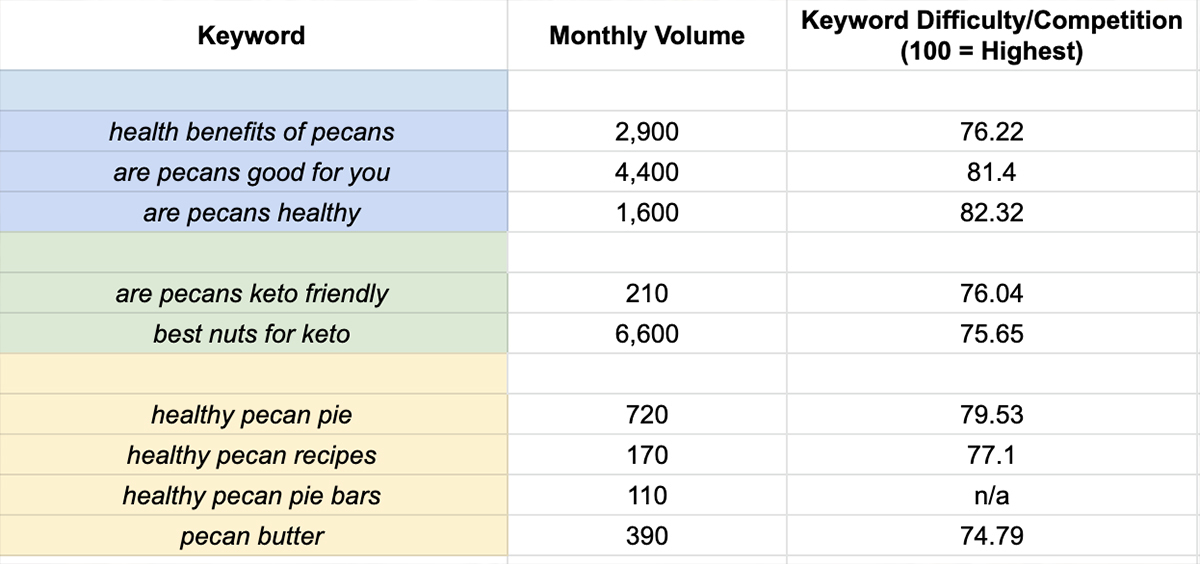
Providing hard data and insights like these shows in black and white the volume of potential readers interested in the story you’re pitching.
2. Explain what you plan to do with the coverage.
In a new world where journalists are being judged on performance, the more resources they have to promote their article, and the more opportunity they have to reach a broader target audience than their followers and subscribers, the bigger an added benefit to the reporter.
While every journalist hopes that your client is going to share the story on their Facebook page, communicating just how you plan to leverage the placement can help them understand their potential reach.
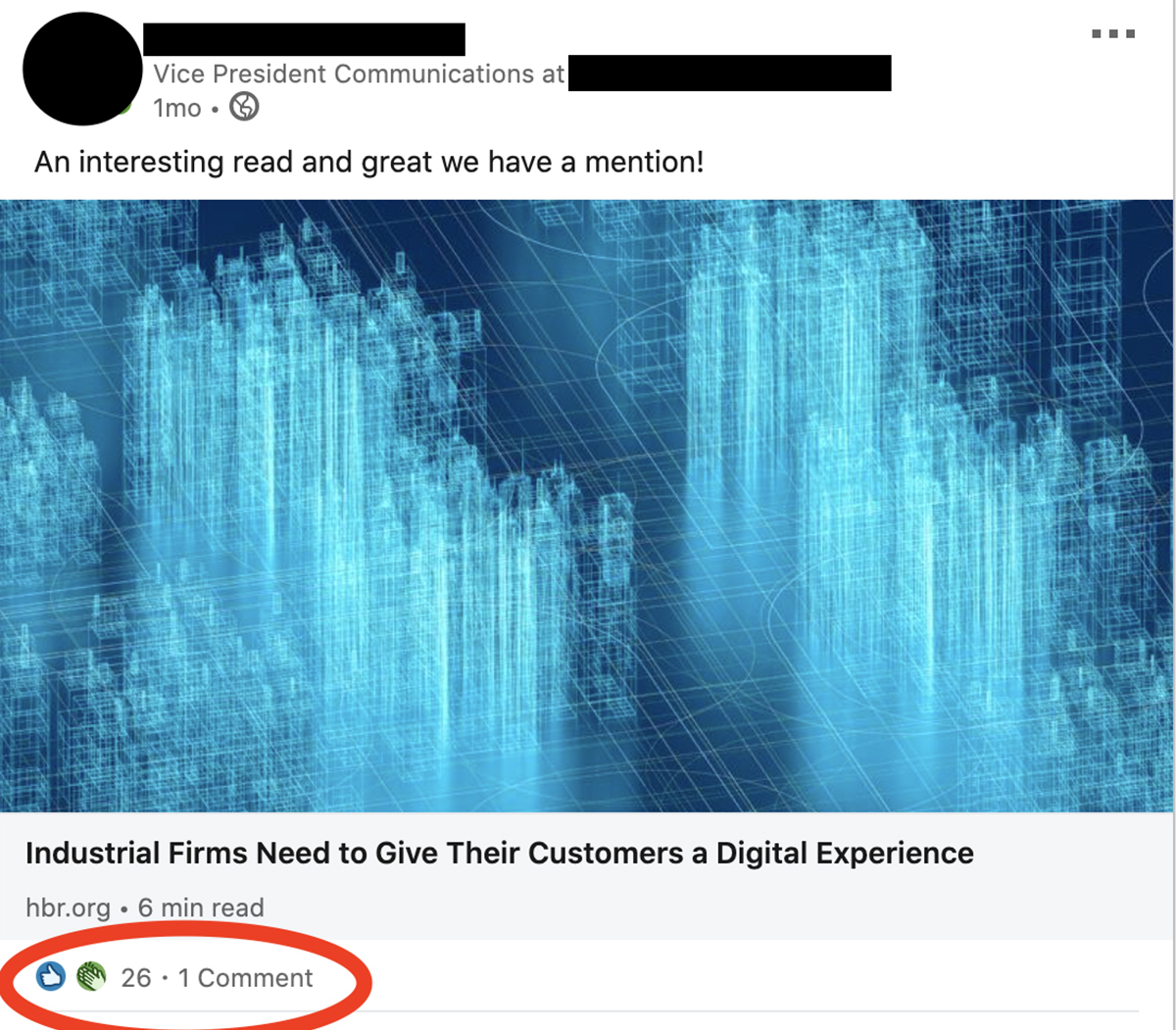
Be sure to communicate if the article will be placed on your website with backlinks, your social media strategy for article sharing and if you have a deep bench of executives who plan to repost the article to their LinkedIn pages. No matter what your plan is, show the worth that you’re bringing to the table.
3. Tout your social media following.
You’ve already told the reporter just how you’re going to promote the article, but also let them know what that audience is like. Sharing insights about your engagement and the visibility of your social accounts helps demonstrate the type of response that the reporter can expect when you post a link to their story on your platforms.
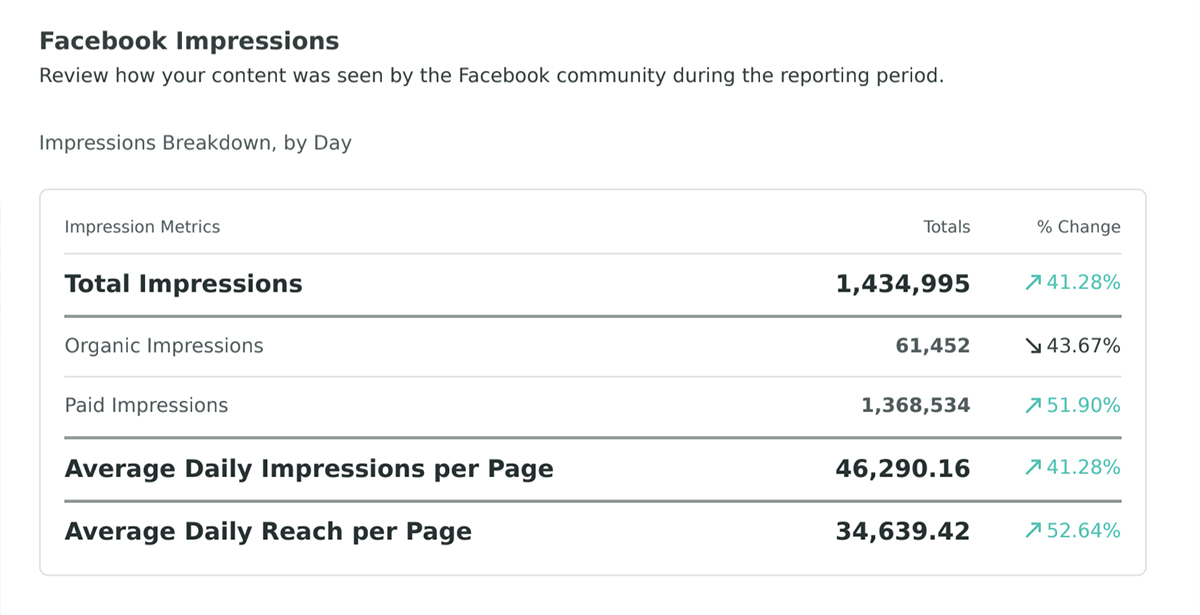
Showcasing that your client has seen a 41.28% increase in total impressions provides concrete data that the content you’re posting is being seen by your audience. Further, it demonstrates that you’re not only going to share the article, but that the algorithms of social media are prioritizing your content and your audience is actually seeing what you’re posting.
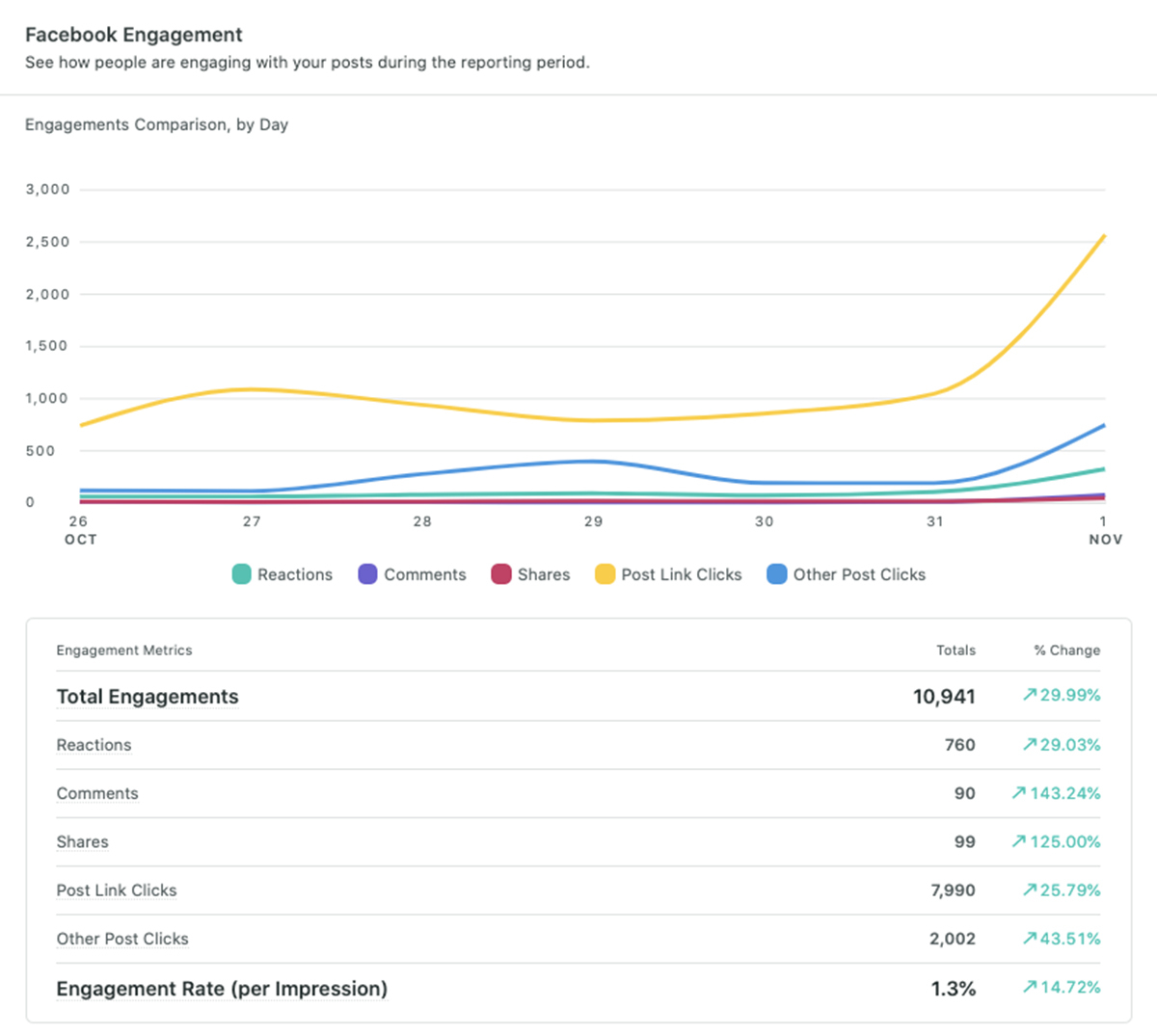
Additionally, it exhibits that your audience is not just seeing your content, but also engaging with it. Being able to provide insights about the behaviors of your fans can be an indication of what the reporter can anticipate as a result of you sharing their article on your page.
At The Brandon Agency, we strive to be assets to our clients through data-driven marketing solutions, and public relations is no exception. While these are just a few ways our integrated marketing agency can leverage the data at its disposal, it’s also wise to get creative. No matter how many things change, one thing that hasn’t changed is the value that successful PR adds to an organization. PR pros succeed when we anticipate and meet journalists’ needs.
Interested in learning more about how The Brandon Agency can help you meet your marketing needs? We’ve got you covered — contact us today.
By subscribing to our newsletter, you agree to our Privacy Policy.