Author’s Note: The Grocery Manufacturers Association (GMA), The Boston Consulting Group (BCG), Google, and Information Resources Inc. (IRi) recently joined forces to publish a report titled, “The Digital Future: A Game Plan for Consumer Package Goods.” This post is the second of a four-part series inspired by the findings from that report. Read more about Digital Consumerism in part one.
There’s no question that technology is changing the way consumers shop. And when it comes to adapting to that change, some companies are pioneering bravely into the new world of digital consumerism, while others are standing idly by. Not surprisingly, Amazon, the online marketplace giant, is one of the trailblazers.
In this article, we’ll discuss a few of the services and models Amazon has created to meet changing consumer demands, as well as what every B2C company today can learn from it.
Amazon Prime Pantry
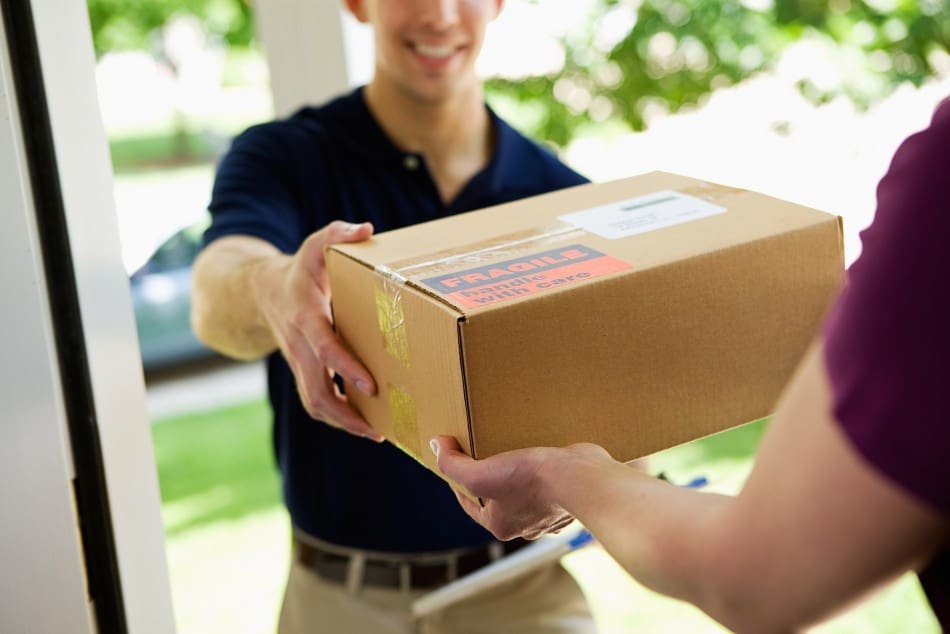
Unveiled in August 2014, the Prime Pantry service makes it possible for Amazon Prime customers to consolidate as many groceries as they can (up to 45 lbs.) into a single box for home delivery at a flat shipping rate of $5.99. The more than 2,000 items available to choose from do not include fresh or frozen foods, so instead of replacing a trip to the grocery store, Prime Pantry is positioned to help customers save time replenishing shelf-stable staples.
Amazon Subscribe & Save
Subscribe & Save, another novel shopping program from Amazon, allows customers to have their favorite regular-purchase items, such as cleaning supplies, coffee pods, diapers and more, delivered to their doors each month. Subscribers save 15 percent on their entire order when they sign up for five or more items for their monthly delivery. And all Subscribe & Save orders get free shipping.
According to the report, “Millions … receive regular deliveries of household staples through online subscription services, such as Amazon’s Subscribe & Save. Technological advancements in retail and other sectors have raised consumers’ expectations by demonstrating new ways that companies can deliver convenience, choice and value.”
AmazonFresh
Still thinking grocery stores shouldn’t feel threatened by any of Amazon’s moves? Let’s talk about AmazonFresh. This subsidiary of Amazon delivers fresh groceries to your door. Its key differentiators are same-day delivery, a huge selection that includes perishables, and items from local stores or restaurants. Currently, AmazonFresh is only available in select cities, but “The Digital Future” confirms that “Amazon has … plans to expand its AmazonFresh grocery service from Seattle, Los Angeles and San Francisco to other cities; according to some reports, the company is targeting up to 20 new markets.”
AmazonDash
Currently available by invitation only, AmazonDash takes AmazonFresh even further. Using the Dash remote, you can say or scan items around your home, and those items are added directly to your AmazonFresh account. According to Dash’s page on AmazonFresh, it “recognizes millions of items” and “connects to your home’s Wi-Fi network with a simple setup.”
Sounds pretty snazzy, if you ask us.
Key Takeaways
So what can we learn from Amazon’s aggressive moves to push consumerism into the future? Here are three key takeaways:
- Brick and Mortar Will Decline. As “The Digital Future suggests,” “Amazon will continue to gain share from brick-and-mortar retailers. In the near term, we expect club, general-grocery, and mass-market stores to come under the biggest threat, as online retailers target weekly replenishment and monthly stock-up shopping.” In the long term, this means less time spent in retail stores and more time spent online. Brands of all kinds need to make preparations today for this transition.
- Anticipation Is the Secret to Success. Every move Amazon makes is not about what consumers are asking for today; it’s about what they’ll be asking for in the future. As a result, Amazon is perpetually ahead of the curve. But any brand can do this. Think about how your consumers buy your products today and imagine how their preferences and needs will change in 3, 5 or 10 years. Start strategizing about how to accommodate those changes now.
- Make It as Easy as Possible, Then Make It Easier. Quite possibly the keystone in Amazon’s strategy is making the online shopping experience practically effortless. From thoughtful item recommendations to the new Dash tool to monthly automatic shipments, every new service and model makes buying through Amazon easier than before. To compete, simplicity and ease of use must be at the forefront of your digital sales strategy.
For more information on The Brandon Agency’s Brandon’s digital marketing capabilities, please contact us or leave a comment below. Be sure to watch for part three, coming soon.
By subscribing to our newsletter, you agree to our Privacy Policy.