For decades, consumer packaged goods marketing followed a predictable formula: spend on what you can measure, optimize performance, stay within category norms, and compete on price when necessary.
But in 2026, that playbook is leading to the same trap.
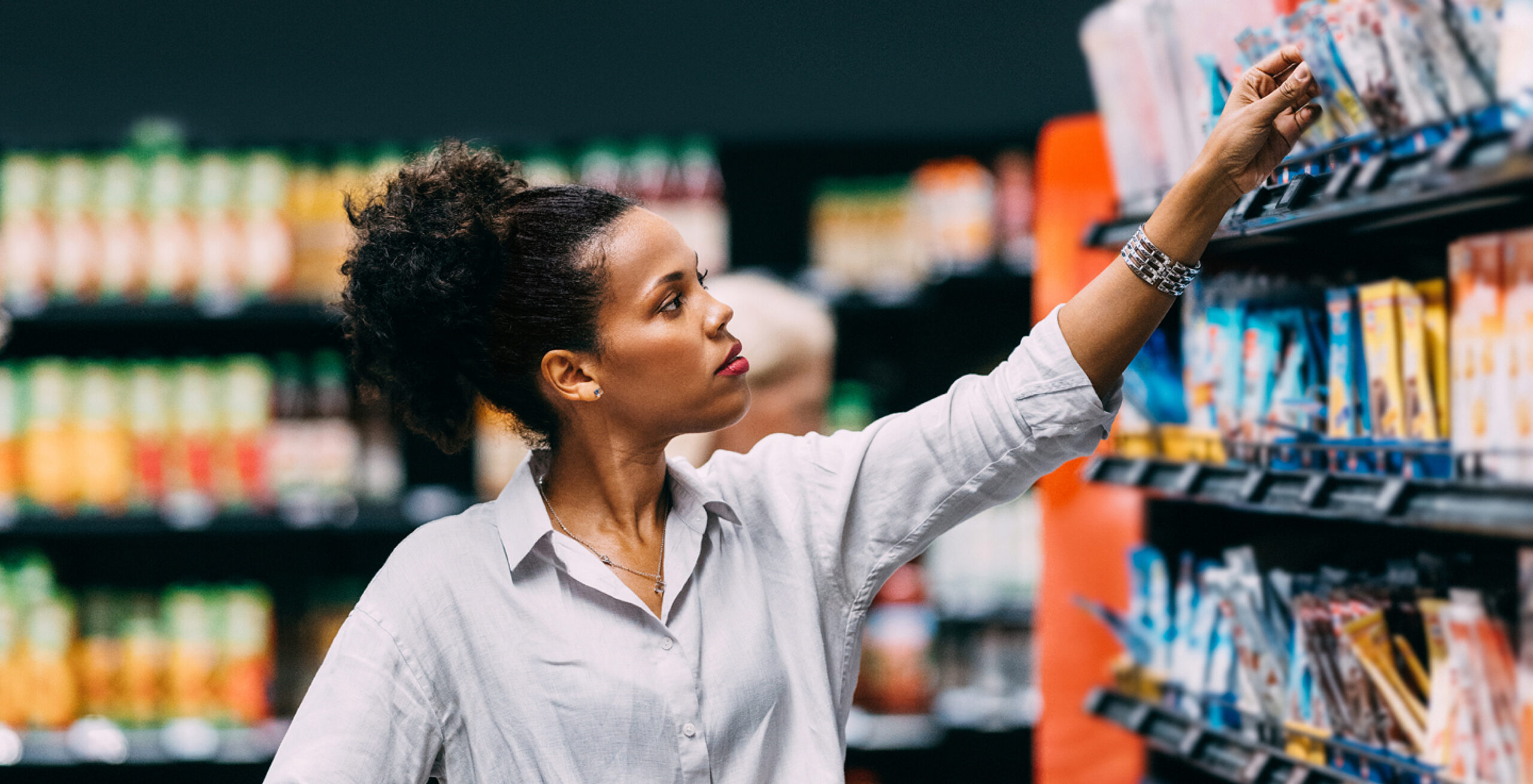
Today’s shoppers aren’t carefully evaluating every brand. They’re scanning shelves—both physical and digital—looking for the fastest decision they can make.
And when brands look the same, consumers don’t choose. They compare.
This is the central insight behind Brandon’s new study, The Risk of Playing It Safe for CPG Brands, a research-driven look at how brand sameness is reshaping consumer behavior across categories.
Built on proprietary survey data, the study explores what happens when brands become interchangeable—and how distinctiveness becomes the most powerful competitive advantage.
Inside the Data
- 83.6% of shoppers say brands in a category feel “basically the same”
- 71% rely on shortcuts like price when brands blur together
- 78% say bold or distinctive packaging has influenced them to buy
The takeaway is simple:
When brands look interchangeable, shoppers default to price. And price is a dangerous place for brands to compete.
Key Takeaways from the Study
Sameness Drives Price Shopping
When brands fail to signal meaningful difference, consumers simplify.
- 34% choose the lowest price
- 19% switch directly to private label
Without differentiation, the category becomes a comparison exercise.
The Digital Shelf Is Compressing Brands
Online retail platforms are designed for comparison.
45% of consumers say retailer websites make brands appear more similar than they really are.
Price tags, star ratings, and promotional badges dominate attention before brand perception has a chance to form.
Packaging Signals Value at the Shelf
At retail, packaging often becomes the strongest expression of a brand.
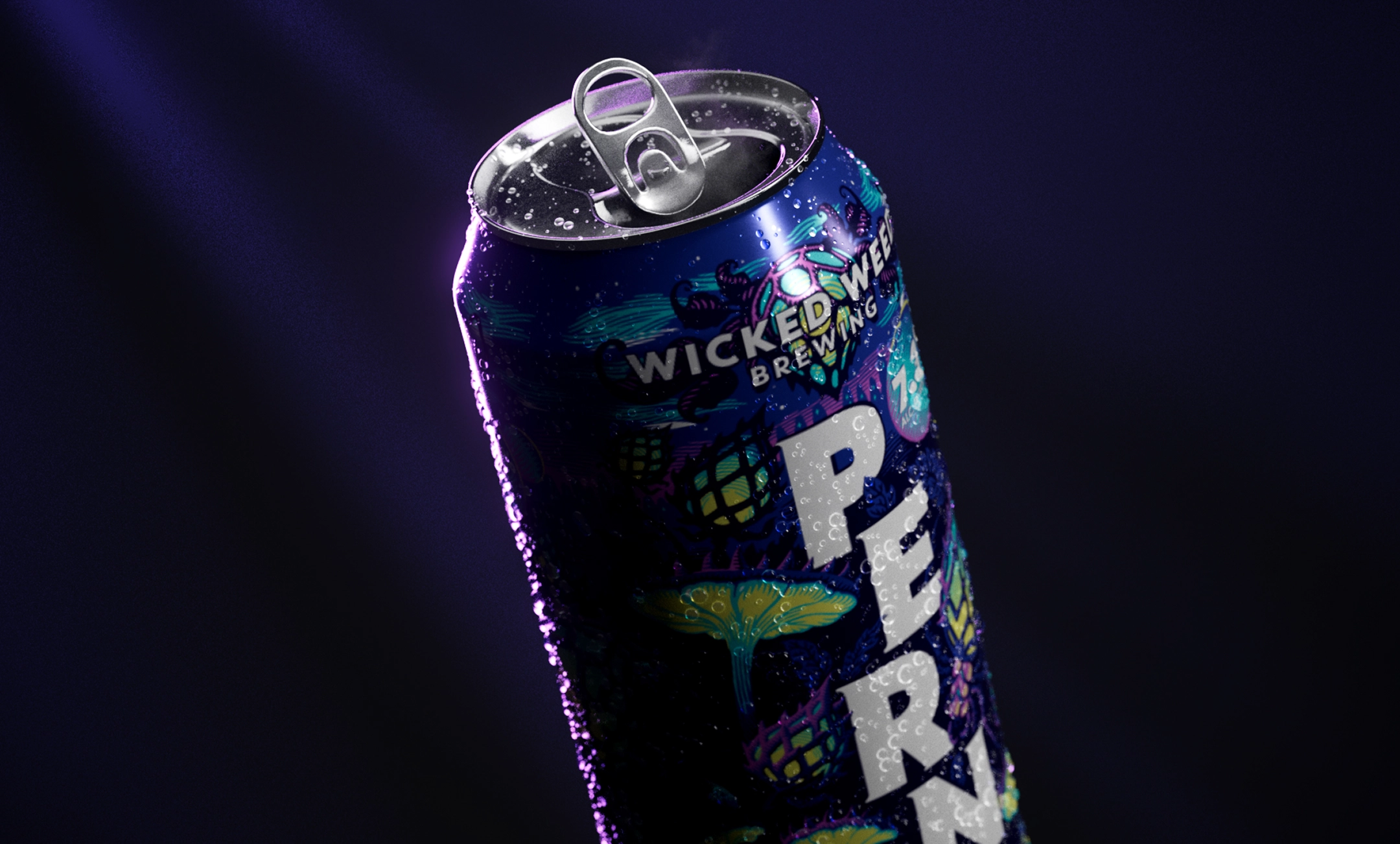
78% of consumers say distinctive packaging influenced them to purchase.
When design signals quality, shoppers interpret the product as more premium and trustworthy.
Advertising Still Builds Preference
Even in the age of retail media, brand advertising remains critical.
42% of shoppers say commercials influence brand choice.
Advertising creates bias before the shelf. And that bias drives selection.
Why This Study Matters
This isn’t another marketing trend report. It’s a strategic look at how brand distinctiveness protects pricing power in categories built for comparison.
If your brand wants to compete beyond price—and build durable consumer preference—this study offers a roadmap. Download the report for free.
By subscribing to our newsletter, you agree to our Privacy Policy.