Think of the last time you had a brilliant idea. In the moment right before that idea came to exist, your mind shut down everything else. Scientists have named that moment the “brain blink.” According to a recent Fast Company article, researchers studying people working to solve complex problems noticed that when a problem is presented, “activity in the visual part of an analytical person’s brain would amp up to take in as much information as possible. On the other hand, the visual cortex would shut down.” Why? This allows the problem solver to block everything else out and look inward to find and retrieve subconscious ideas. So what does brain blinking have to do with marketing? In its purest form, developing advertising creative is complex problem solving. Awesome creative comes from developing awesome creative concepts. And awesome creative concepts come from brain blinks. The question is “How do we continue to keep creative brains blinking day in and day out?” As it turns out, there’s an art and a science to creative inspiration. Here are six tips to help trigger brain-blinking brilliance in your workplace.
THE SCIENCE
Color-Conscious Decisions
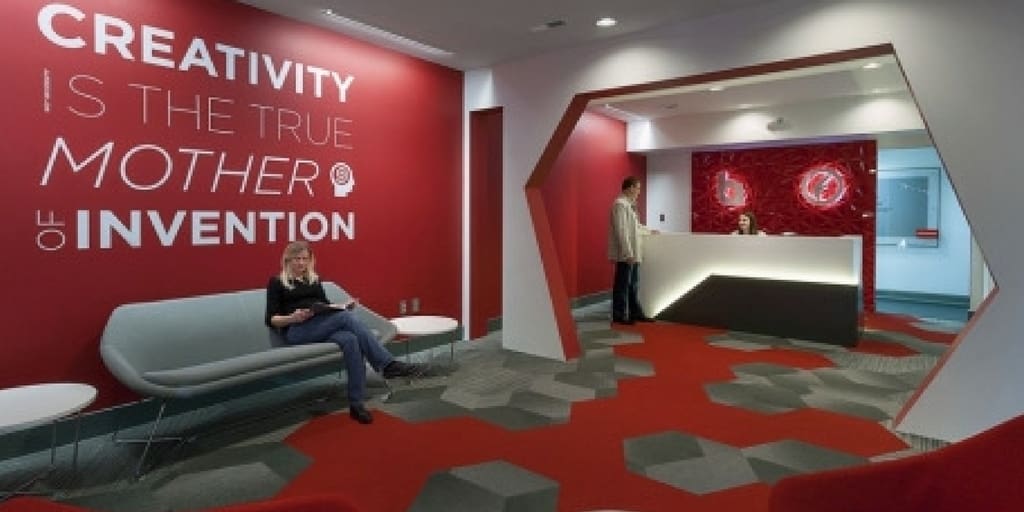
Not shockingly, the colors that surround us in our office spaces can impact our levels of creative thinking. An infographic by The Muse recommends blues, greens and yellows for creative workspaces. Blue hues, which we naturally associate with sky, ocean, openness, tranquility and freedom to explore new ideas, produce twice as many results in brainstorms than do other color environments.
People tested in green environments score 20 percent higher on creativity tests. And yellow rooms deliver more open chatter, socializing and idea sharing. So ditch the white walls and opt for some creative color schemes.
To the Left, to the Left
The right side of the brain processes color, images and creative thinking. And the left hand helps activate that side. During your next brainstorm or creative-concept session, encourage participants to do something with their left hands, such as squeezing a stress ball or playing left-handed catch with a hacky sack.
Sleep Like a Baby
Although researchers agree that nothing can force a brain-blink moment, some factors may help facilitate one. Sleep and mood are two of these factors. Memory consolidation happens when you sleep. This process brings out hidden details and non-obvious connections between ideas. The bottom line? More sleep means more insight, which means more moments of brilliance.
THE ART
Inspiration Wall
Nothing inspires greatness like greatness. Turn one wall or room of your office into an homage to inspiration. Encourage team members to pin up examples of marketing executions that deliver impressive strategy, clever copywriting and thoughtful design. To remind your team what must be done to stand out from the pack, showcase examples — both good and bad — of what competitors are doing. And most importantly, put up your own best creative work — both in-progress and finished pieces.
Creative Exchange
Sometimes, in order to solve a complex creative problem, you need a fresh set of eyes. Consider pairing up with another business in your area for a brainstorming partnership. In this type of creative exchange, the partner business agrees to provide you with a couple of fresh, bright thinkers for your next brainstorming session. The newbies combine with your team members to push boundaries, approach problems differently and come up with new solutions. And the next time your partner company needs help, you pay back by sending a duo from your own team.
Worried about idea-sharing? Partner with a business outside your marketing niche. Are you a digital powerhouse? Partner with a traditional agency. Maybe your focus is travel and tourism. Partner with a shop that works on something completely different, like food and beverage or consumer packaged goods.
Different Strokes
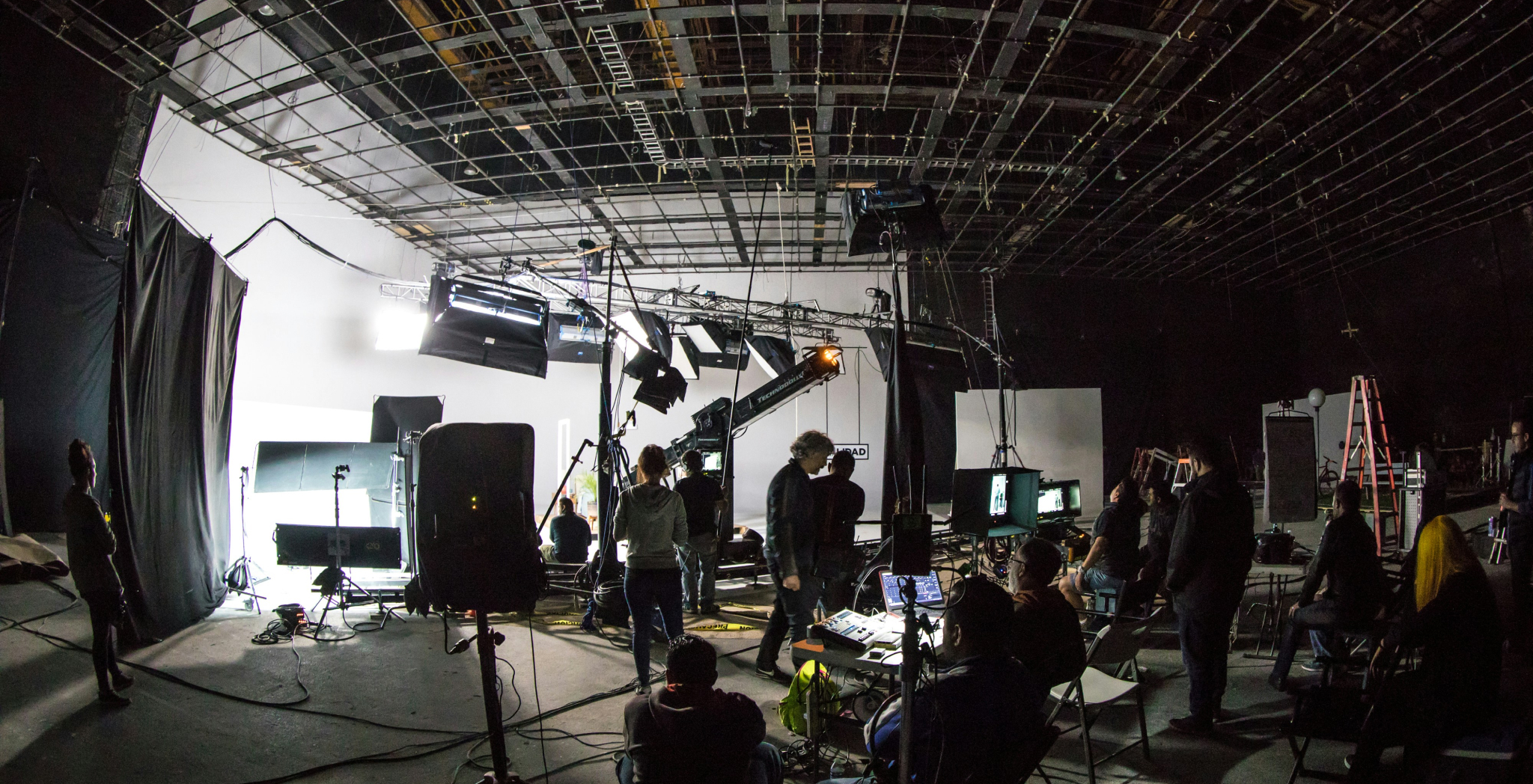
Quite possibly the most important way to inspire creativity is to give team members the freedom and flexibility to create work environments that they find inspirational. For some, that could mean working flex hours because their brains just don’t think conceptually first thing in the morning. For others, it could mean having the ability to work remotely from a coffee shop, park or home. Many designers prefer dark workspaces so they can better see their screens. Writers often like quiet settings so they can better concentrate on how sentences and phrases sound. Some team members may prefer working at long, communal tables, others from beanbag chairs. Building a modular work environment enables you to cater to more of these unique preferences. Not ready to dramatically redesign your office? Simply let team members decorate and configure their individual workspaces to match their personal styles. Creating brain-blink moments isn’t easy. And there’s no guaranteed method to ensure that you’ll have a creative epiphany every time you need one. But if you pay attention to both the art and science of creating an inspiring workspace, you’re likely to find those brain blinks happening more quickly and easily than before.
By subscribing to our newsletter, you agree to our Privacy Policy.