In consumer packaged goods, competition has always been intense. But today, it’s becoming compressed.
Digital retail platforms, crowded shelves, and category conventions have created an environment where brands increasingly look—and feel—the same.
And when consumers perceive sameness, they don’t evaluate every option. They simplify.
Brandon’s newest research study explores how this dynamic is reshaping CPG marketing—and why playing it safe may be the riskiest strategy of all.
When Brands Blur Together
83.6% of shoppers say brands in a category often feel “basically the same.”
When that happens, decision-making changes.
- 71% rely on shortcuts like price.
- 34% choose the lowest-priced option.
- 19% switch to private label.
These behaviors aren’t irrational. They’re efficient. When brands fail to stand out, shoppers default to the easiest decision available.
The Digital Shelf Amplifies Sameness
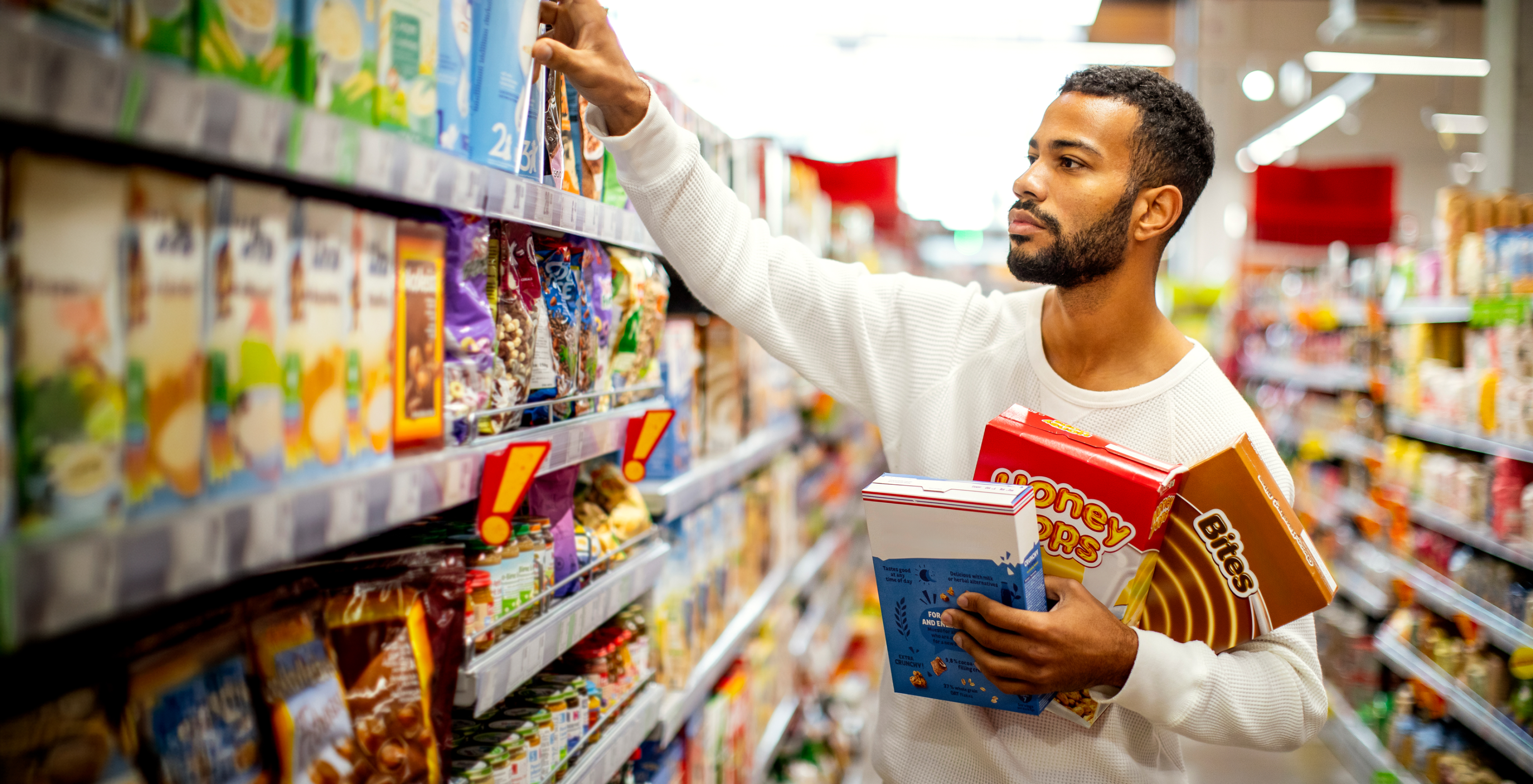
Retail websites and apps emphasize comparison.
45% of shoppers say digital retail environments make brands appear more alike.
Instead of experiencing brands, consumers scan them. Price, ratings, and badges become the deciding signals. Which means differentiation must happen before the shopper reaches the shelf.
Packaging Still Wins the Moment
Despite the growth of ecommerce, the physical shelf remains a powerful brand stage.
78% of consumers say bold packaging has influenced them to buy.
Distinctiveness signals confidence, quality, and value. And in crowded aisles, those signals matter more than ever.
What CPG Brands Must Do Next
- Build distinctive visual and narrative brand signals
- Invest in advertising that creates preference before purchase
- Design packaging that signals value instantly
Because the future of CPG marketing comes down to one reality: Categories are optimized for comparison. Brands must be designed for distinction.
Download your copy to explore the full research.
By subscribing to our newsletter, you agree to our Privacy Policy.