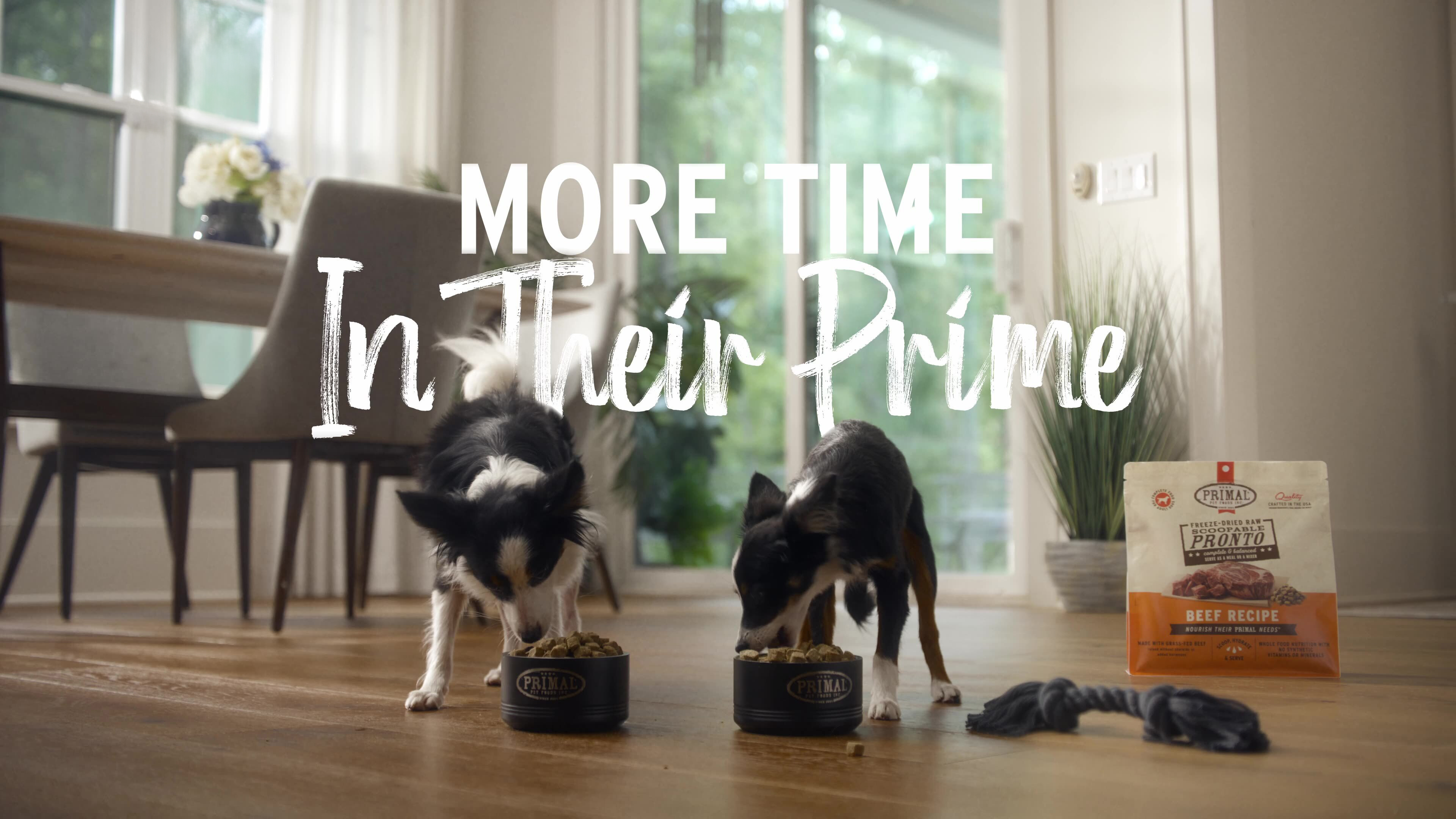
In 2025, pet parents don’t just buy—they bond. They’re caregivers, confidants, and emotional anchors. But despite this powerful connection, most pet care behavior still skews practical, habitual, even transactional.
This isn’t a flaw in consumer logic. It’s a branding opportunity. Brandon’s newest guide maps the emotional tension shaping today’s pet care category, and shows bold brands how to close the gap between intent and action.
Love Is Loud. Behavior? Conflicted.
- 74.4% of pet owners call their pets family.
- 54.4% say taste drives food decisions.
- 88.9% still purchase dry kibble.
- Only 0.6% use subscription services.
These aren’t contradictions. They’re cues. Pet owners want to express love with every choice, but the category hasn’t made it easy. The result? A loyalty gap between what people feel and how they shop.
Welcome to the Guilt Economy
- 45.6% cite price as the top barrier to service adoption.
- Of those spending less, 75% have cut vet visits.
Pet parents want to provide more, but they’re forced to compromise. The answer isn’t discounts. It’s dignity. Brands that offer flexible, modular pricing and emotionally attuned messaging will win trust and share of heart.
Shelf Power Still Dominates
Despite the buzz around DTC and auto-ship, one thing holds true:
- 59.4% of product discovery still happens in-store.
And in that aisle, packaging is persuasion. The shelf isn’t passive. It’s the front line of emotional branding.
If your brand doesn’t speak to love, trust, or identity in that moment, it’s not optimized. It’s invisible.
What Pet Brands Must Do Next
- Reframe Functional With Feeling
Your food may be healthy, but does it help pet parents feel like better caregivers? Make the emotional benefit loud and clear. - Use Pricing to Build Trust, Not Just Value
Transparency is power. Tiered service models and clear value ladders build financial comfort, and emotional confidence. - Reinvent In-Store Experience
Your brand doesn’t just need a footprint. It needs presence. Leverage design, shelf storytelling, and staff education to create a relationship, not a transaction. - Don’t Just Sell—Support
From supplements to telehealth, the services exist. But the emotional context doesn’t. Frame your offerings as solutions to stress, not luxuries.
Align Brand Messaging With Emotional Reality
Pet parents feel deeply. But their purchasing behavior hasn’t caught up—yet. That’s not hypocrisy. That’s friction.
Brands that close this gap with empathy, design, and emotionally intelligent strategy will build more than market share. They’ll build meaning.
Want to lead with love and loyalty?
Download Brandon’s 2025 playbook for pet brands that want to resonate, not just retail.
By subscribing to our newsletter, you agree to our Privacy Policy.