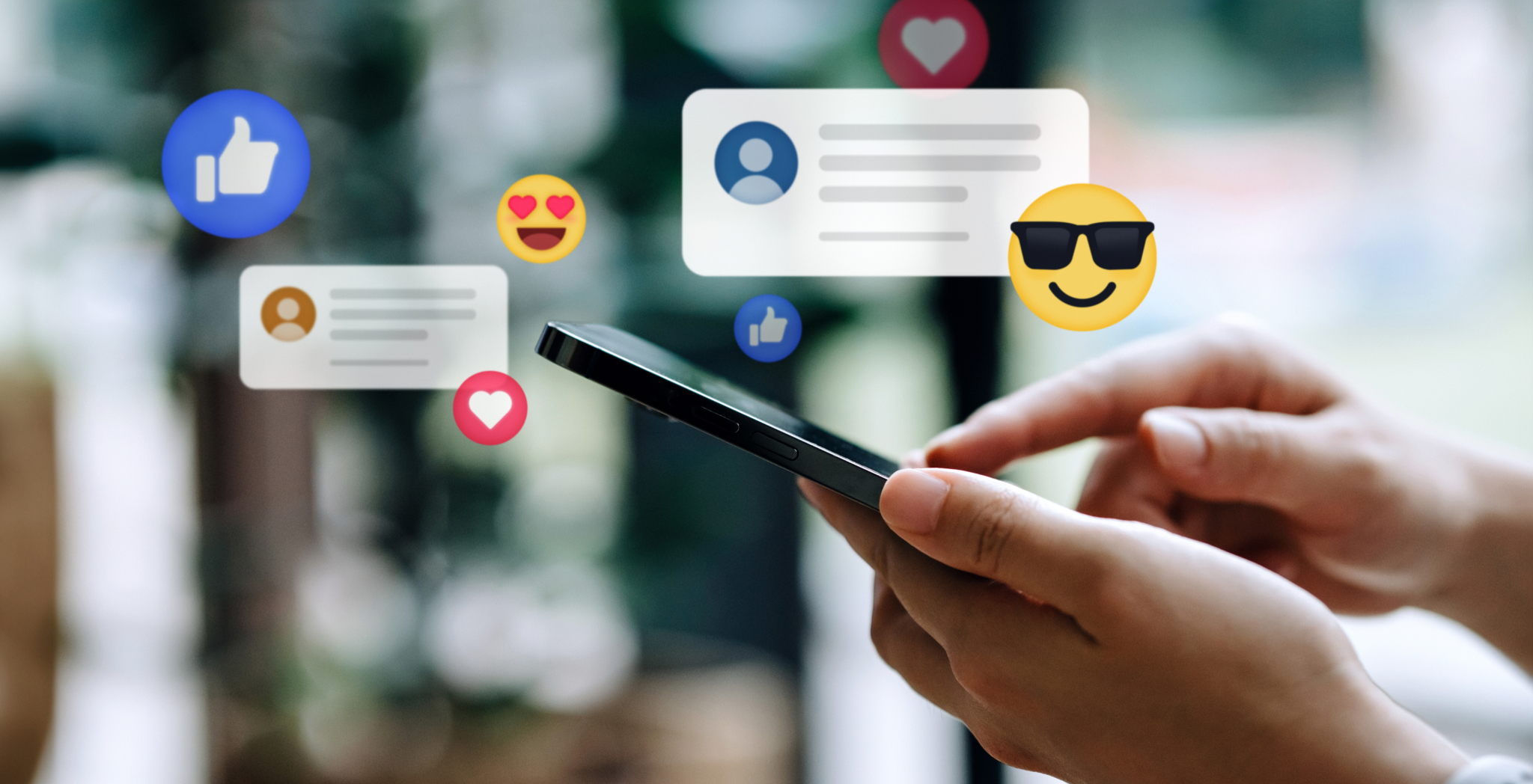
Micro-moments shape our everyday lives both in real time and electronically. But what exactly are micro-moments? To put it simply, “micro-moment” is a term created by Google that defines any interaction one might have with a device, whether it’s consuming or delivering information. For example, any time you reach for your smartphone to answer a question, you experience a micro-moment.
Most smartphone users would describe their phone as their “lifeline.” In fact, Google reports that 68 percent of smartphone users check their phone within 15 minutes of waking up. With mobile use becoming more and more essential to everyday activities, it is imperative to give consumers the opportunity to act on immediate information at the drop of a hat. Luckily, mobile use now requires only a brief second for consumers to identify and deliver information.
As technology continues to advance, the frequency of micro-moments continues to increase. Since micro-moments are mostly experienced on smartphones, more everyday searches for brands and companies are being performed on mobile devices. But who is utilizing smartphones as their own personal encyclopedia? According to Google, 87 percent of millennial smartphone users — the most of any demographic — always have their phone by their side, day and night. This means that millennials are the biggest group of consumers impacted. As a result, this target audience is being reached almost 24/7.
So how can brands create influential micro-moments? By following three simple rules provided by Google, any company can implement relevant micro-moments into their day-to-day interactions with consumers.
Be There
It’s hard to target your consumers if you don’t know what channel they are using. In order to effectively create micro-moments, one needs to anticipate where they can reach their audience. According to Google, you can increase brand awareness by 46 percent by simply showing up in mobile search ad results. Plus, smartphone users are more likely to discover a new brand while browsing the web on their phone — so by allowing your brand to be visible in times of consumer need, customer loyalty has the potential to grow.
Be Useful
Simply providing your audience with a micro-moment doesn’t mean it is going to be useful. In order to positively reach your consumers, you need to provide pertinent information and answers to the questions they are looking for. In fact, Google reports that 73 percent of consumers believe regularly receiving useful information
from an advertiser is the “most important attribute” when choosing a brand. If useful information is unavailable, Google claims that less than 10 percent of users will actually stay on that current mobile site or app.
Be Quick
Consumers’ expectation for speed has increased due to their need to accomplish tasks as quickly as possible — so the need to be fast is crucial. As stated by Google, “Consumers expect brands to address their needs with real-time relevance.” This means that when consumers find something they want, they should be able to conveniently and swiftly purchase the item or find resourceful information without any hesitation.
In order to create and distribute meaningful information, agencies need to ensure micro-moments are being planned for both current and future client campaigns and marketing strategies.
If you are having problems implementing micro-moments into your integrated communications plan, either comment below or contact The Brandon Agency directly at (843) 916-2000 or on Facebook.
By subscribing to our newsletter, you agree to our Privacy Policy.